
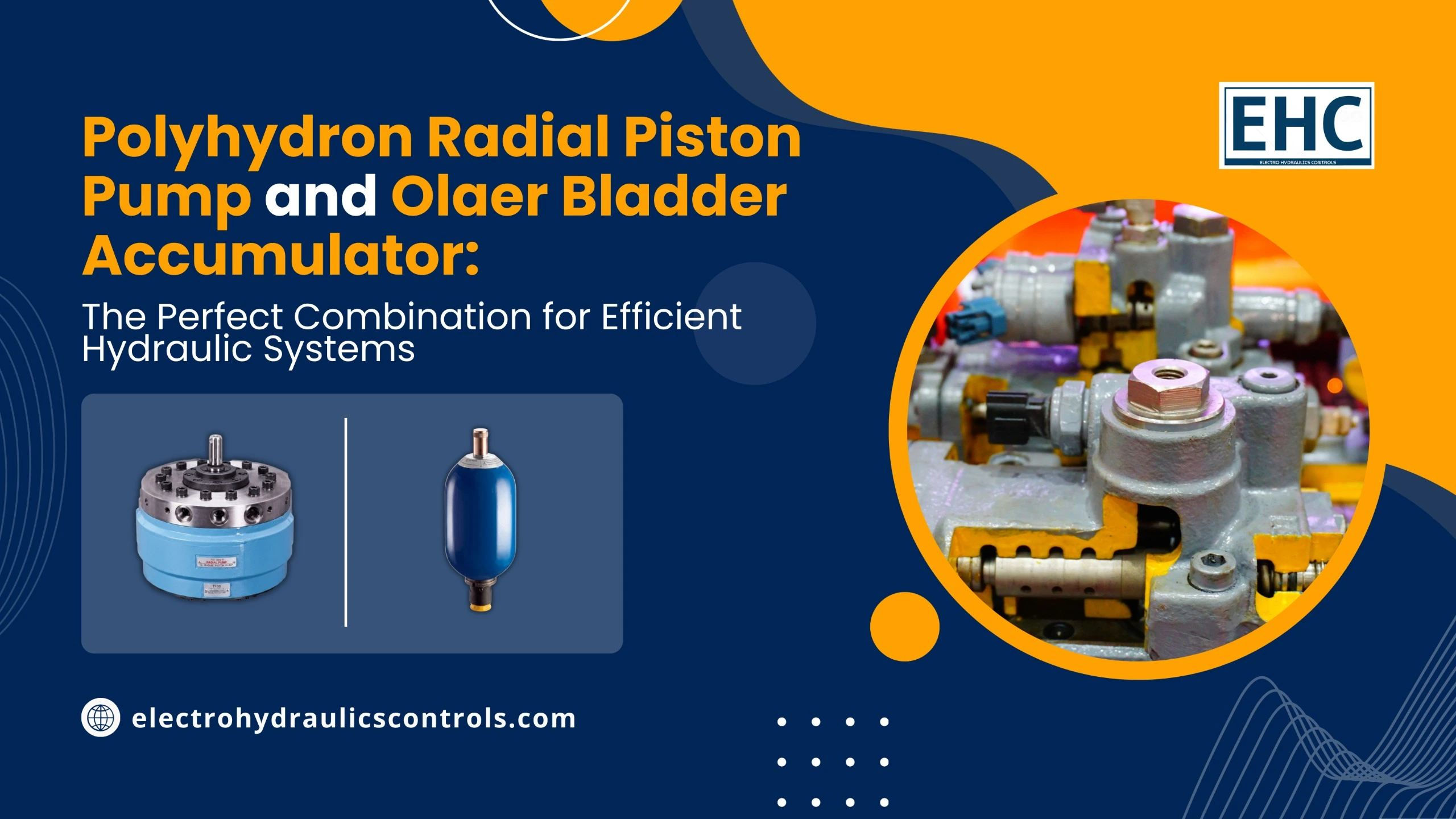
Polyhydron Radial Piston Pump and Olaer Bladder Accumulator: The Perfect Combination for Efficient Hydraulic Systems
A Polyhydron Radial Piston Pump and an Olaer Bladder Accumulator together create a highly efficient hydraulic system. The radial piston pump generates consistent high-pressure hydraulic flow, while the bladder accumulator stores hydraulic energy, stabilizes pressure, absorbs shocks, and supplies emergency hydraulic power when required. This combination improves machine performance, reduces energy consumption, minimizes wear on components, and increases overall system reliability.
What Is a Polyhydron Radial Piston Pump?
A Polyhydron Radial Piston Pump is a positive displacement hydraulic pump specifically designed for high-pressure industrial applications. It operates using multiple pistons arranged radially around a central shaft or eccentric cam. As the shaft rotates, the pistons create suction and discharge cycles that produce a steady and accurate flow of hydraulic fluid. Compared to many conventional pumps, radial piston pumps offer higher volumetric efficiency, lower internal leakage, excellent pressure capability, and a longer service life. Their robust construction makes them a preferred choice for industries where precision, reliability, and continuous operation are essential.
What Is an Olaer Bladder Accumulator?
An Olaer Bladder Accumulator is a hydraulic energy storage device that contains a flexible bladder filled with nitrogen gas. The bladder separates the compressed gas from the hydraulic oil. During operation, excess hydraulic fluid enters the accumulator and compresses the nitrogen gas, storing potential energy. When the system experiences increased demand or a pressure drop, the compressed gas forces the stored hydraulic fluid back into the hydraulic circuit. This mechanism helps maintain stable pressure, absorb hydraulic shocks, compensate for leakage, and provide emergency power whenever needed.
Why These Two Components Work Together
The Polyhydron Radial Piston Pump is responsible for generating hydraulic pressure, whereas the Olaer Bladder Accumulator ensures that this pressure remains stable even during sudden load changes. When integrated into the same hydraulic circuit, the accumulator stores excess hydraulic energy generated by the pump and releases it instantly whenever additional flow is required. This reduces pressure fluctuations, minimizes pump workload, and improves overall system responsiveness. The result is a hydraulic system that operates more smoothly, efficiently, and safely under varying operating conditions.
Benefits of Using Polyhydron Radial Piston Pump with Olaer Bladder Accumulator
A major advantage of combining these two components is improved energy efficiency. Since the accumulator supplies stored hydraulic energy during peak demand, the pump does not need to run continuously at maximum capacity. This lowers energy consumption and reduces operational costs.
Another important benefit is pressure stability. Hydraulic systems often experience pressure spikes and sudden fluctuations that can negatively affect machine accuracy and component life. The bladder accumulator absorbs these fluctuations, ensuring a smoother and more consistent hydraulic output.
The combination also extends equipment life by reducing stress on pumps, valves, seals, hoses, and actuators. By minimizing hydraulic shocks and sudden pressure surges, the accumulator protects expensive components from premature wear. Additionally, machines respond more quickly because stored hydraulic energy is immediately available whenever extra flow is required, improving productivity and reducing cycle times.
Scientifically Backed Performance
The operation of these hydraulic components is based on well-established engineering principles. Hydraulic systems follow Pascal’s Law, which states that pressure applied to a confined fluid is transmitted equally in every direction. The radial piston pump efficiently generates this pressure, while the bladder accumulator stores energy through compressed nitrogen gas according to the principles of gas compression. By combining pressure generation with stored hydraulic energy, the system maintains consistent performance, improves energy efficiency, reduces pressure pulsations, and delivers reliable operation even under demanding industrial conditions.
Common Industrial Applications
The combination of a Polyhydron Radial Piston Pump and an Olaer Bladder Accumulator is widely used in industries that require high-pressure, reliable hydraulic performance. These components are commonly found in hydraulic presses, injection molding machines, steel rolling mills, mining machinery, construction equipment, marine hydraulic systems, hydraulic power packs, machine tools, industrial automation systems, and heavy material handling equipment. Their ability to deliver stable pressure and efficient power transmission makes them suitable for both continuous and intermittent duty applications.
Step-by-Step Guide to Integrating Both Components
Step 1: Evaluate Hydraulic Requirements
Begin by determining the required operating pressure, hydraulic flow rate, duty cycle, and expected load variations. Understanding these parameters helps ensure that both the pump and accumulator are properly matched to the application.
Step 2: Select the Appropriate Radial Piston Pump
Choose a Polyhydron Radial Piston Pump that can deliver the required pressure and flow while maintaining high efficiency. The selected pump should be capable of handling continuous industrial operation without compromising performance.
Step 3: Size the Bladder Accumulator Correctly
Select an Olaer Bladder Accumulator based on the hydraulic oil volume, working pressure, minimum system pressure, nitrogen pre-charge pressure, and expected operating cycle. Proper sizing is essential for achieving maximum energy storage and pressure stabilization.
Step 4: Install Safety Components
Install pressure relief valves, charging valves, isolation valves, and pressure gauges to ensure safe and reliable operation. These components protect both the hydraulic system and maintenance personnel.
Step 5: Perform Routine Maintenance
Regularly inspect the nitrogen pre-charge pressure, hydraulic oil cleanliness, bladder condition, seals, and pump performance. Preventive maintenance helps maximize efficiency, extend equipment life, and reduce unexpected downtime.
Best Practices for Long-Term Performance
Maintaining clean hydraulic oil is one of the most important factors in ensuring long service life. Regular monitoring of nitrogen pre-charge pressure allows the accumulator to operate efficiently, while periodic inspection of seals and hydraulic hoses helps prevent leakage. Operating the system within its recommended pressure limits reduces unnecessary stress on hydraulic components. Following the manufacturer’s maintenance schedule and replacing worn parts before failure further improves reliability and minimizes maintenance costs.
Frequently Asked Questions (FAQs)
What is the main function of a Polyhydron Radial Piston Pump?
It generates high-pressure hydraulic flow with excellent efficiency and precision for demanding industrial applications.
Why is an Olaer Bladder Accumulator used?
It stores hydraulic energy, stabilizes system pressure, absorbs shocks, reduces pressure fluctuations, and provides emergency hydraulic power during pressure drops.
Can these components improve energy efficiency?
Yes. The accumulator stores excess hydraulic energy and supplies it during peak demand, allowing the pump to operate more efficiently and reducing overall energy consumption.
Which industries commonly use this combination?
Manufacturing, construction, mining, marine engineering, steel processing, machine tools, hydraulic presses, and industrial automation are among the industries that frequently use these hydraulic components.
How often should maintenance be performed?
Routine inspections should be carried out according to the manufacturer’s recommendations, including checking hydraulic oil quality, nitrogen pre-charge pressure, seals, and overall system performance.
Conclusion
A Polyhydron Radial Piston Pump and an Olaer Bladder Accumulator together provide a dependable solution for achieving efficient, stable, and high-performing hydraulic systems. While the pump delivers accurate high-pressure hydraulic power, the accumulator stores energy and maintains pressure stability during varying operating conditions. Their combined operation enhances efficiency, protects hydraulic components from excessive wear, reduces operating costs, and improves machine productivity. For industries that demand reliable hydraulic performance, integrating these two components is a practical investment that delivers long-term operational benefits.

Add comment