
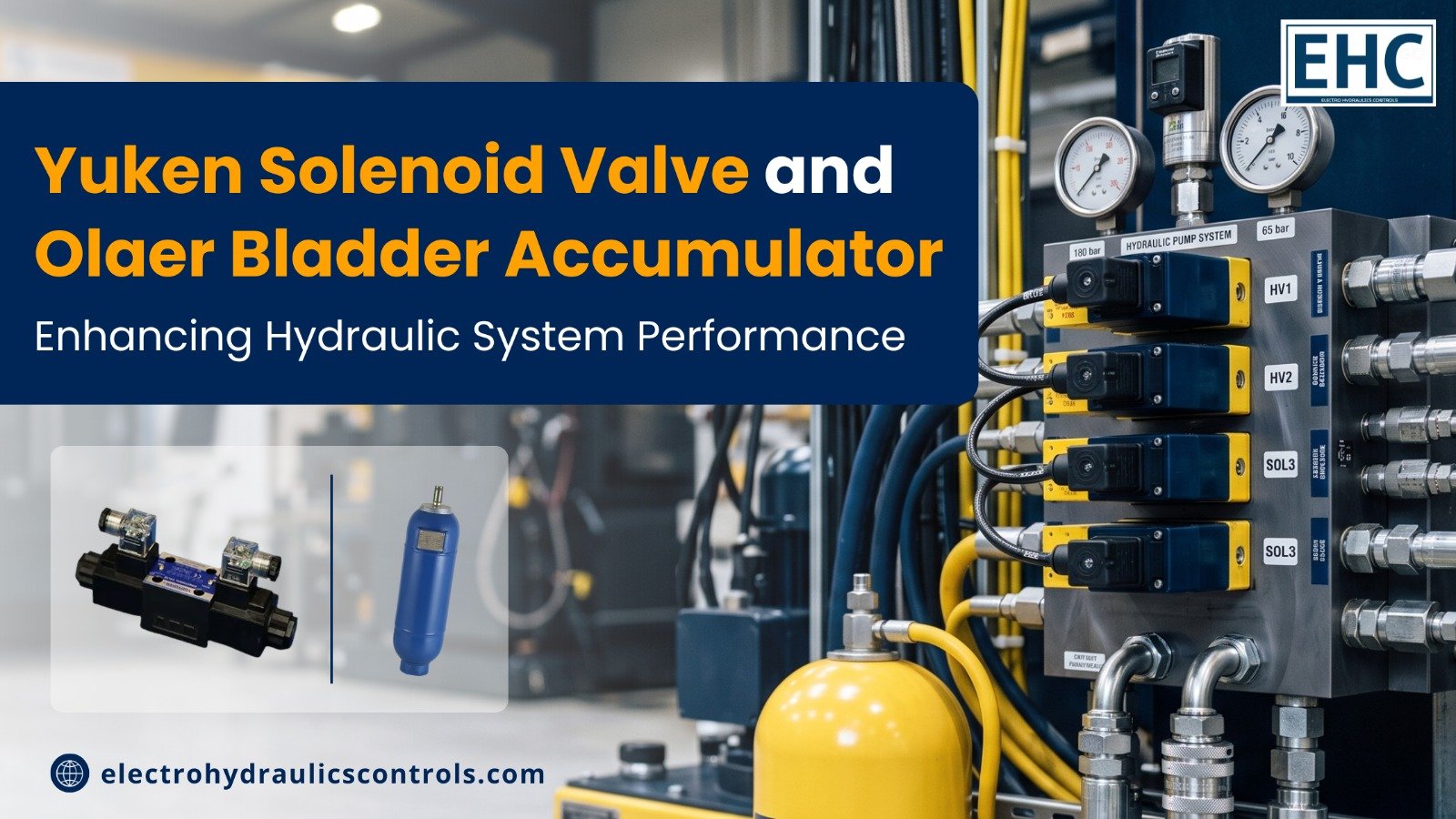
Yuken Solenoid Valve and Olaer Bladder Accumulator: Enhancing Hydraulic System Performance
A Yuken Solenoid Valve controls the direction and flow of hydraulic fluid through electrical actuation, while an Olaer Bladder Accumulator stores hydraulic energy and stabilizes system pressure. Together, these components improve efficiency, responsiveness, safety, and overall hydraulic system reliability in industrial applications.
Definition
Hydraulic systems rely on precise fluid control and energy management to perform efficiently.
What is a Yuken Solenoid Valve?
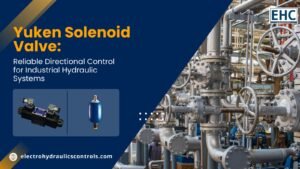
A Yuken Solenoid Valve is an electrically operated hydraulic valve designed to control fluid flow direction, pressure, and movement within hydraulic circuits. These valves are widely used in manufacturing, construction, automation, and heavy machinery due to their reliability and fast response times.
What is an Olaer Bladder Accumulator?
An Olaer Bladder Accumulator is a hydraulic energy storage device that uses a flexible bladder filled with nitrogen gas. When hydraulic pressure increases, fluid enters the accumulator and compresses the gas. The stored energy can then be released when system demand rises, helping maintain stable pressure and improving system efficiency.
Benefits of Using Yuken Solenoid Valve and Olaer Bladder Accumulator
Benefits of Yuken Solenoid Valve
- Fast and accurate hydraulic flow control
- Improved automation capabilities
- Reduced manual intervention
- High operational reliability
- Compact design for easy integration
- Enhanced system productivity
Benefits of Olaer Bladder Accumulator
- Stores hydraulic energy efficiently
- Absorbs pressure spikes and shocks
- Reduces pump workload
- Minimizes system vibrations
- Improves energy efficiency
- Extends hydraulic component lifespan
How These Components Work Together
In modern hydraulic systems, a Yuken Solenoid Valve controls the flow path of hydraulic fluid based on electrical signals. Meanwhile, the Olaer Bladder Accumulator stores excess hydraulic energy and releases it when needed.
This combination provides several operational advantages:
| Function | Yuken Solenoid Valve | Olaer Bladder Accumulator |
| Flow Control | Directs hydraulic fluid | Supports pressure stability |
| Energy Management | Controls hydraulic actions | Stores and releases energy |
| System Protection | Prevents incorrect flow paths | Reduces pressure surges |
| Efficiency Improvement | Enables precise operation | Lowers energy consumption |
| Equipment Protection | Minimizes operational errors | Reduces hydraulic shock |
Scientifically Backed Importance in Hydraulic Systems
Hydraulic engineering principles show that pressure fluctuations and fluid shock can significantly reduce equipment life. According to fluid power engineering research, accumulators help absorb transient pressure peaks, reducing stress on pumps, cylinders, seals, and valves.
Similarly, electrically actuated directional valves improve operational precision by enabling rapid switching and accurate fluid routing. This reduces energy losses and enhances system responsiveness, making hydraulic operations more predictable and efficient.
When used together, a Yuken Solenoid Valve and an Olaer Bladder Accumulator create a balanced hydraulic circuit that delivers stable pressure, controlled motion, and improved energy utilization.
Step-by-Step Guide to Selecting the Right Components
Step 1: Analyze System Requirements
Determine operating pressure, flow rate, and application demands before selecting components.
Step 2: Choose the Appropriate Solenoid Valve
Select a Yuken Solenoid Valve based on:
- Flow capacity
- Voltage requirements
- Switching speed
- Mounting configuration
- Operating environment
Step 3: Calculate Accumulator Capacity
Choose an Olaer Bladder Accumulator according to:
- Required energy storage
- Peak pressure conditions
- System volume requirements
- Duty cycle demands
Step 4: Verify Compatibility
Ensure both components are compatible with:
- Hydraulic fluid type
- Operating pressure range
- Temperature conditions
- System architecture
Step 5: Perform Regular Maintenance
Maintain long-term performance through:
- Bladder pressure inspections
- Electrical connection checks
- Leak detection
- Valve response testing
- Hydraulic fluid monitoring
Industrial Applications
The combination of Yuken Solenoid Valves and Olaer Bladder Accumulators is commonly used in:
- Injection molding machines
- Hydraulic presses
- Material handling equipment
- Steel processing plants
- Construction machinery
- Agricultural equipment
- Industrial automation systems
- Mobile hydraulic applications
Best Practices for Maximum Performance
- Maintain proper nitrogen pre-charge pressure.
- Inspect valves regularly for contamination.
- Use clean hydraulic fluid.
- Monitor pressure fluctuations.
- Follow manufacturer maintenance schedules.
- Replace worn seals promptly.
- Conduct periodic performance testing.
FAQ Section
Why is a Yuken Solenoid Valve important in hydraulic systems?
It provides precise electrical control of hydraulic fluid flow, enabling automated and efficient machine operation.
What does an Olaer Bladder Accumulator do?
It stores hydraulic energy, stabilizes pressure, absorbs shocks, and improves overall system efficiency.
Can these components improve energy efficiency?
Yes. Solenoid valves optimize fluid routing, while accumulators reduce pump workload by supplying stored hydraulic energy during demand peaks.
Which industries commonly use these components?
Manufacturing, construction, mining, steel processing, automation, agriculture, and material handling industries widely use them.
How often should maintenance be performed?
Inspection intervals depend on operating conditions, but regular checks of valve operation, hydraulic fluid quality, and accumulator pre-charge pressure are recommended.
Conclusion
A Yuken Solenoid Valve and an Olaer Bladder Accumulator form a highly effective combination for modern hydraulic systems. The valve delivers accurate fluid control, while the accumulator provides energy storage and pressure stabilization. Together, they enhance efficiency, reduce equipment wear, improve operational safety, and support long-term system reliability. For industries seeking dependable hydraulic performance, integrating these components can significantly improve productivity and system lifespan.
Author Bio
Electro Hydraulics Controls Editorial Team
The Electro Hydraulics Controls team specializes in hydraulic systems, fluid power technologies, industrial automation, accumulators, valves, pumps, and hydraulic control solutions. With extensive industry knowledge, the team provides technically accurate and practical insights to help engineers and businesses optimize hydraulic system performance and reliability.
Add comment