
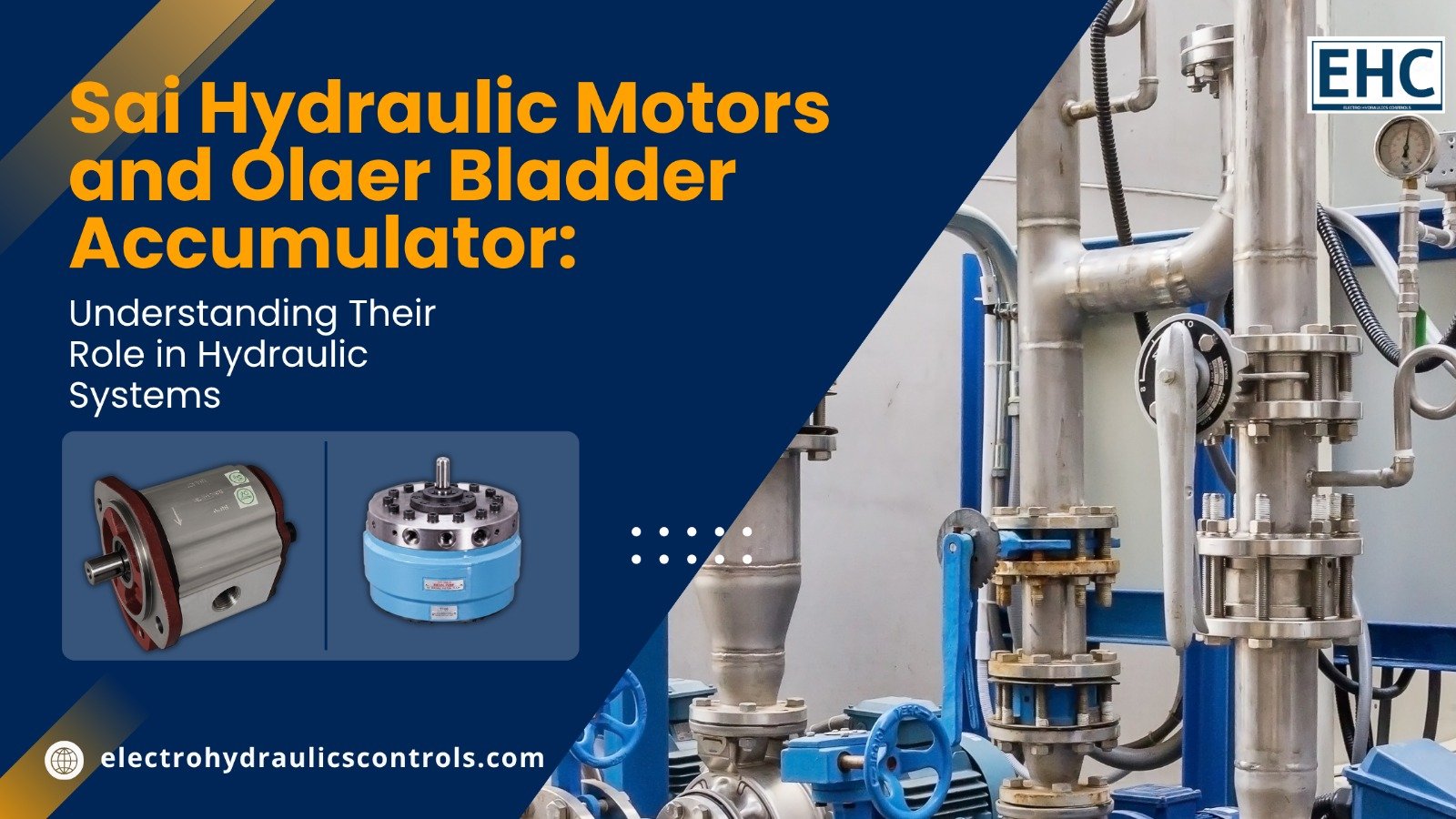
Sai Hydraulic Motors and Olaer Bladder Accumulator: Understanding Their Role in Hydraulic Systems
Modern hydraulic machinery depends on reliable components to convert, control, and store hydraulic energy. From industrial equipment and mobile machinery to manufacturing systems, selecting the right hydraulic components can directly influence system performance, efficiency, and maintenance requirements.
Businesses searching for Sai hydraulic motors or an Olaer bladder accumulator should understand how these components work and what factors matter when selecting them for a hydraulic application.
What Are Sai Hydraulic Motors?
Sai hydraulic motors are hydraulic drive components designed to convert hydraulic energy into mechanical rotary motion. Hydraulic motors are commonly used where machinery requires controlled rotational movement, torque, and reliable power transmission.
Depending on the application, hydraulic motors can be incorporated into equipment used for industrial automation, mobile machinery, construction, agriculture, and other heavy-duty applications.
When selecting a hydraulic motor, businesses should consider factors such as:
- Required torque
- Operating pressure
- Displacement
- Rotational speed
- Mounting configuration
- Hydraulic fluid requirements
- Operating environment
Choosing a motor based on the actual system requirements helps ensure compatibility and dependable operation.
What Is an Olaer Bladder Accumulator?
An Olaer bladder accumulator is a hydraulic energy-storage device that uses a gas-charged bladder to store hydraulic energy.
Hydraulic accumulators can perform several functions within a hydraulic system, including:
- Storing hydraulic energy
- Absorbing pressure fluctuations
- Dampening hydraulic shocks
- Compensating for leakage
- Supporting peak flow requirements
- Helping maintain system pressure
The basic principle is relatively simple. Hydraulic fluid enters the accumulator and compresses the gas contained within the bladder. When the system requires additional hydraulic energy, the compressed gas helps push the stored fluid back into the hydraulic circuit.
How Does a Bladder Accumulator Work?
A simplified hydraulic accumulator cycle looks like this:
Hydraulic Pump → Accumulator → Stored Hydraulic Energy → Hydraulic Circuit
The bladder separates the hydraulic fluid from the gas charge. This separation is important because it allows the accumulator to store hydraulic energy while maintaining the hydraulic fluid within its designated chamber.
Sai Hydraulic Motors vs Olaer Bladder Accumulators
Although both are hydraulic components, they perform completely different functions.
| Component | Main Function | Primary Application |
| Sai Hydraulic Motors | Convert hydraulic energy into rotary motion | Machinery requiring rotational drive |
| Olaer Bladder Accumulator | Store hydraulic energy and manage pressure fluctuations | Hydraulic energy storage and pressure management |
| Hydraulic Pump | Generate hydraulic flow | Supplies fluid to the hydraulic circuit |
| Directional Valve | Control fluid direction | Controls actuator or motor movement |
Understanding the role of each component makes it easier to design and maintain an efficient hydraulic system.
Why Choosing the Right Hydraulic Components Matters
Hydraulic systems often operate under demanding conditions involving high pressure, continuous operation, temperature variations, and mechanical loads. Using components that are correctly matched to the system can help improve reliability and reduce unnecessary maintenance.
Before purchasing Sai hydraulic motors or an Olaer bladder accumulator, consider:
System Requirements
Determine pressure, flow, speed, torque, volume, and operating conditions.
Compatibility
The selected component should be compatible with the existing hydraulic circuit and other system components.
Installation
Correct mounting, hydraulic connections, and installation procedures are essential for dependable operation.
Maintenance
Regular inspection and appropriate maintenance can help identify wear, leakage, pressure issues, or other potential problems early.
Choosing a Reliable Hydraulic Components Supplier
Finding the right supplier is just as important as selecting the right component. A knowledgeable supplier can help businesses identify suitable hydraulic products based on their equipment and application requirements.
A good supplier should ideally provide:
- Genuine hydraulic components
- Technical product information
- Application guidance
- Product availability
- After-sales support
- Replacement and maintenance assistance
For companies sourcing Sai hydraulic motors and Olaer bladder accumulator solutions, working with an experienced hydraulic components supplier can simplify product selection and procurement.
Frequently Asked Questions
1. What are Sai hydraulic motors used for?
Sai hydraulic motors are used to convert hydraulic power into rotary mechanical motion for machinery and equipment requiring controlled rotational movement.
2. What is an Olaer bladder accumulator?
An Olaer bladder accumulator is a hydraulic energy-storage device that uses a gas-charged bladder to store hydraulic fluid under pressure.
3. What is the purpose of a hydraulic accumulator?
A hydraulic accumulator can store energy, absorb pressure fluctuations, dampen hydraulic shocks, and provide additional flow when required.
4. How do I select a hydraulic motor?
Selection depends on factors such as required torque, operating pressure, flow rate, rotational speed, displacement, mounting arrangement, and application conditions.
5. Why is accumulator sizing important?
Correct accumulator sizing helps ensure that the device can provide the required energy storage, pressure compensation, or shock absorption for the hydraulic system.
6. Where can I find hydraulic components?
Businesses looking for Sai hydraulic motors and Olaer bladder accumulator solutions can explore the hydraulic component range available through Electro Hydraulics Controls.
Final Thoughts
Hydraulic motors and accumulators serve different but important purposes in modern hydraulic systems. While Sai hydraulic motors provide rotary power, an Olaer bladder accumulator can help store hydraulic energy and manage pressure fluctuations.
Selecting the right component requires careful consideration of system specifications, operating conditions, compatibility, and application requirements. Working with an experienced hydraulic components supplier can make this process easier and help businesses identify suitable solutions.
Explore Electro Hydraulics Controls for hydraulic components and product solutions for industrial applications.
About the Author
Electro Hydraulics Controls is a hydraulic solutions provider offering hydraulic components and equipment for industrial and mobile applications. The website provides product information and solutions for businesses looking for reliable hydraulic products and technical support.


Add comment