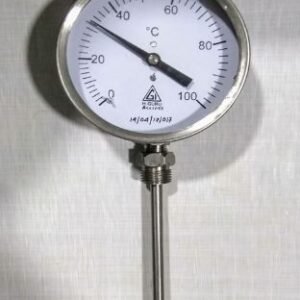
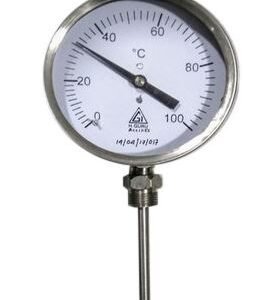
These gauges are typically used in very harsh and highly corrosive environments. They are used in
chemical,fertilizer and petrochemical industries
Machine & apparatus construction
Chemical & petrochemical industries
Food stuff & beverage industries
Plastics & paper industries
These gauges are typically used in very harsh and highly corrosive environments. They are used in
chemical,fertilizer and petrochemical industries
Machine & apparatus construction
Chemical & petrochemical industries
Food stuff & beverage industries
Plastics & paper industries
These gauges are typically used in very harsh and highly corrosive environments. They are used in
chemical,fertilizer and petrochemical industries
Machine & apparatus construction
Chemical & petrochemical industries
Food stuff & beverage industries
Plastics & paper industries
These gauges are typically used in very harsh and highly corrosive environments. They are used in
chemical,fertilizer and petrochemical industries
Machine & apparatus construction
Chemical & petrochemical industries
Food stuff & beverage industries
Plastics & paper industries
These gauges are typically used in very harsh and highly corrosive environments. They are used in
chemical,fertilizer and petrochemical industries
Machine & apparatus construction
Chemical & petrochemical industries
Food stuff & beverage industries
Plastics & paper industries
These gauges are typically used in very harsh and highly corrosive environments. They are used in
chemical,fertilizer and petrochemical industries
Machine & apparatus construction
Chemical & petrochemical industries
Food stuff & beverage industries
Plastics & paper industries
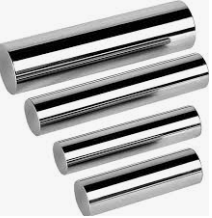
The piston rod is typically a hard chrome-plated piece of cold-rolled steel which attaches to the piston and extends from the cylinder through the rod-end head. In double rod-end cylinders, the actuator has a rod extending from both sides of the piston and out both ends of the barrel. The piston rod connects the hydraulic actuator to the machine component doing the work. This connection can be in the form of a machine thread or a mounting attachment. The piston rod is highly ground and polished so as to provide a reliable seal and prevent leakage.